
Professional boudoir photography in Phoenix
Professional boudoir photography combines expert lighting, natural posing guidance, wardrobe styling, and a relaxed private studio environment to create elegant, confidence-boosting portraits. At Acapello Photography in Phoenix, every session is tailored to flatter your body and capture your personality — no modeling experience required.
Boudoir photography in Phoenix is a guided photography experience designed to create confident, intimate, and empowering portraits in a private studio environment.
Table of Contents
- What Makes Boudoir Photography Different?
- The Most Important Boudoir Photography Techniques
- How I Help Clients Feel Comfortable
- How to Prepare for Your Boudoir Session
- Common Boudoir Photography Mistakes
- Why Lighting Makes Such a Difference
- Why Every Body Type Photographs Beautifully
- Frequently Asked Questions
- Why Choose Acapello Photography
Hey gorgeous. I know you’ve been curious about a boudoir shoot — and I know you’ve probably also talked yourself out of it a few times already.
Wait until I lose a bit of weight. Wait until I feel more confident. Wait until I look more like the women I see in those photos.
Here’s what over a decade of boudoir photography in Phoenix has taught me: the women who walk in feeling most unsure of themselves are often the ones who cry the happiest tears when they see their gallery. Not because I worked some magic — but because the right techniques, the right environment, and a little expert direction let them see themselves the way the people who love them already do.
The thing that separates a truly beautiful boudoir session from a mediocre one isn’t the camera or the studio. It’s the techniques — how a photographer lights the room, positions your body, directs your hands and your eyes, and creates a space where you actually feel safe enough to let your guard down.
So let me take you behind the lens and show you exactly how it works.

What Makes Boudoir Photography Different?
Boudoir photography isn’t about pictures of lingerie. It’s about capturing you — your confidence, your personality, the version of yourself you rarely let anyone photograph.
Done well, a boudoir session is a deeply personal experience. It’s about reclaiming the way you see yourself. Many of my clients come in nervous and leave absolutely lit up — and that shift is visible in the final images in a way you genuinely can’t fake.
What sets professional boudoir photography apart from anything you could replicate at home:
Expert direction.
You don’t need to know how to pose. Every movement, angle, and expression is guided throughout the session. Your only job is to show up.
Intentional lighting.
The difference between a flattering photo and an unflattering one is almost always light. Professional studio lighting is designed to sculpt, soften, and celebrate — and that takes years of experience to do well.
A private, relaxed environment.
Sessions take place in my private Phoenix studio. It’s just us. No audience, no pressure, no rush.
Wardrobe expertise.
After photographing hundreds of clients, I know exactly what fabrics, cuts, and silhouettes translate beautifully on camera — and I can guide you before you even pack your bag.
The result? Portraits that feel elegant, powerful, and genuinely like you.

The Most Important Boudoir Photography Techniques
Lighting: The Single Biggest Difference-Maker
If there’s one technique that defines my boudoir work, it’s lighting. It’s the tool I spend the most time thinking about, and the one that creates the most dramatic difference between a good photo and a great one.
I love working with natural light and studio lighting because it gives me complete creative control. During a session, I’ll typically move through several setups — each one designed to create a completely different feeling in the final images.
Soft, sculpted light wraps gently around curves and creates depth without harsh shadows. This is the lighting most people associate with luxury boudoir — romantic, elegant, and timeless. It’s achieved by positioning large softboxes close to the subject, diffusing the light until it falls smoothly and evenly.
Directional studio light is more dramatic. A single light positioned to one side creates strong contrast between highlight and shadow, sculpting the body and producing images with real editorial edge. It’s one of my personal favorites for clients who want something bold.
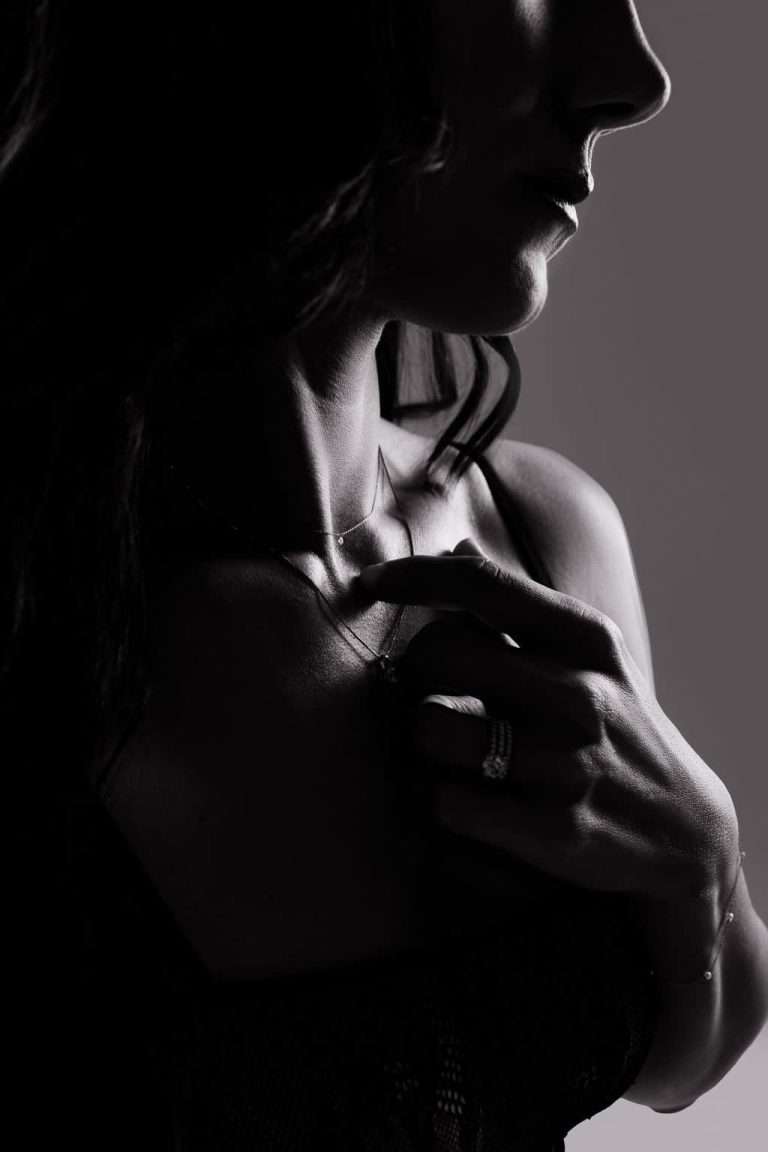
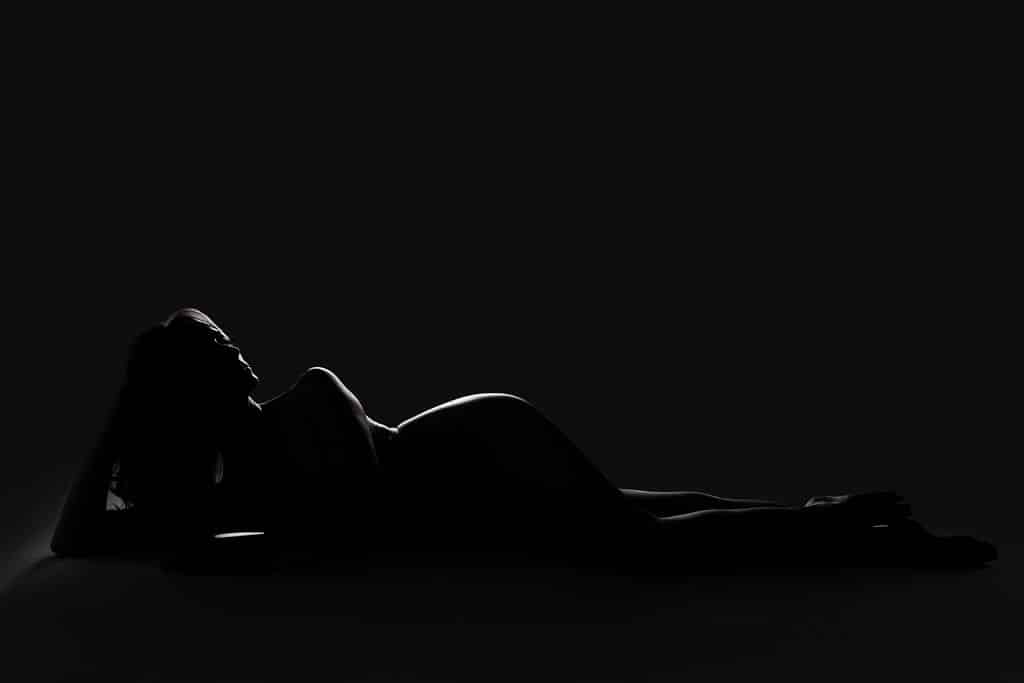
Rim lighting places a light source behind the subject to create a glowing outline around the body. Against a dark background it’s particularly striking — and it creates images that feel almost painterly.
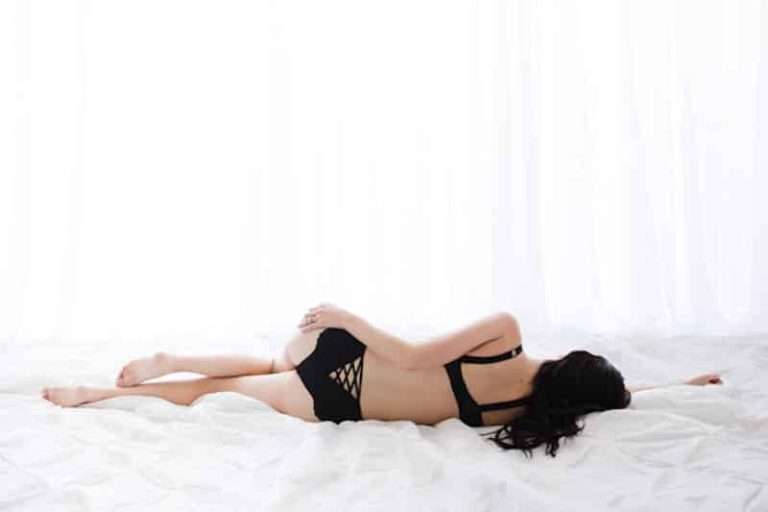
Window light — or the simulated quality of it using large softboxes — gives a soft, natural feel that’s beautiful for intimate, quiet moments. It’s consistently flattering and creates images that feel honest and real.
One of the things I love most about working in a studio is the variety. Within a single session, we can create images that feel radically different from each other — all by shifting where the light is coming from and how it’s shaped.
Camera Angles: How Your Photographer Shapes What You See
The angle a photographer chooses changes everything about how the body reads on camera.
Shooting from a slightly lower position elongates the legs and creates a strong, powerful silhouette. A slightly elevated angle with a longer focal length compresses perspective and slims features. Getting low to the ground with a wider frame creates drama and scale.
I almost always work with a longer focal length for boudoir work, because the compression it creates is universally flattering — it brings the subject forward while softening the background into a smooth, undistracting blur.
What I avoid entirely: shooting wide-angle up close. This is one of the most common mistakes in boudoir photography and distorts the body in ways that are difficult to correct in editing.
Natural Posing: The Art of Making It Look Effortless
This is the part most people are most nervous about — and the part where working with a professional makes the biggest difference.
Natural posing isn’t about memorizing a set of positions. It’s about understanding how the body works and guiding subtle adjustments that create a huge difference in the final image. Here are the cues I return to again and again:
Hands — Relax them. Slightly curved fingers look natural; flat, rigid hands look forced. I guide every hand position during the session, so you never have to think about it.
Shoulders — Pulling one shoulder slightly forward creates shape and breaks the “squared to camera” stance that makes everyone look stiff.
Hips — A small shift of weight onto one hip creates an S-curve through the body. It sounds subtle. The difference in photos is dramatic.
Chin — Slightly forward and down defines the jaw and prevents the double-chin effect that even the most slender necks can create on camera.
Toes — Pointed toes lengthen the leg. Always.
Negative space — Creating separation between the arm and the body, or between the legs, adds shape and definition to the overall silhouette.
None of this is complicated. I talk you through every single adjustment. You don’t need to arrive knowing any of it.
Facial Expression: How to Look Like Yourself
The most beautiful expression in any boudoir image is one that looks genuinely felt.
I’m not a fan of the “smolder for the camera” approach — it almost always looks forced. Instead I focus on helping clients find expressions that are natural to them.
A few techniques I use: the breath reset (a slow exhale just before the shutter releases tension in the face and shoulders instantly), looking away from the lens (some of the most beautiful images I’ve taken happen when the client isn’t looking at me at all), and finding something genuinely funny (a real smile reads completely differently to a posed one, and it’s visible from across the room).
Movement: When the Camera Catches Something Real
Some of my favorite boudoir images happened when someone stopped posing and started moving.
Shaking out hair. Walking slowly toward the window. Laughing at something I said. Pulling a robe loosely closed. These moments feel true — and they look true in photographs in a way that no static pose quite replicates.
I always leave space in a session for this. We’ll work through structured setups, and then I’ll ask you to just move — and I’ll follow.
Styling: What You Wear Matters More Than You Think
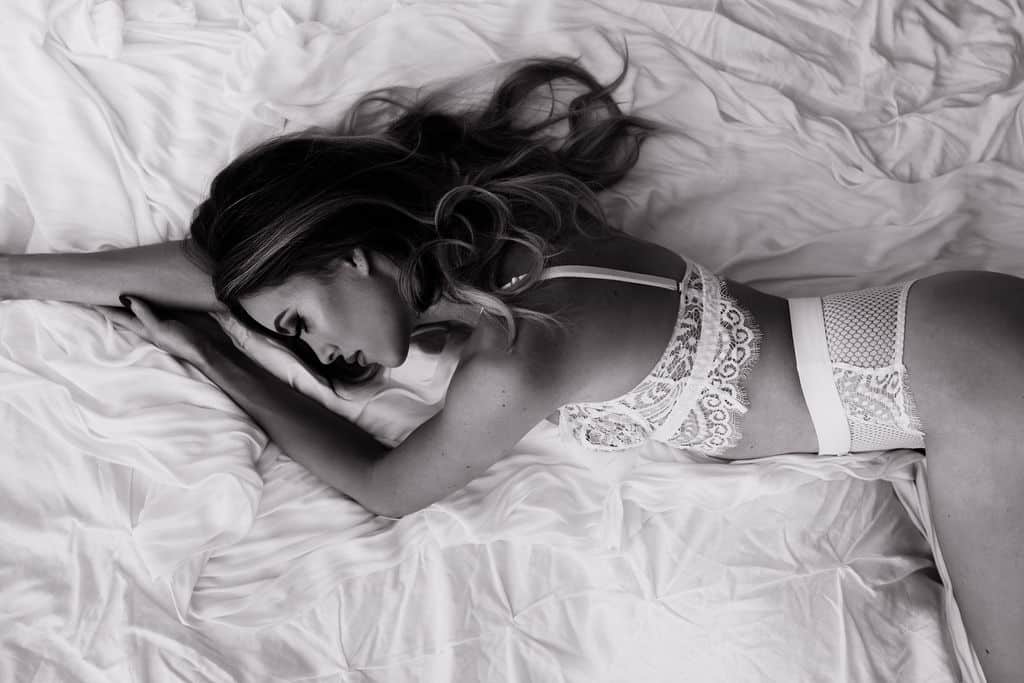
Wardrobe shapes the entire mood of a session. Over the years I’ve found that less is almost always more — simple pieces, beautiful fabrics, and a clear sense of your own style photograph better than anything overcomplicated.
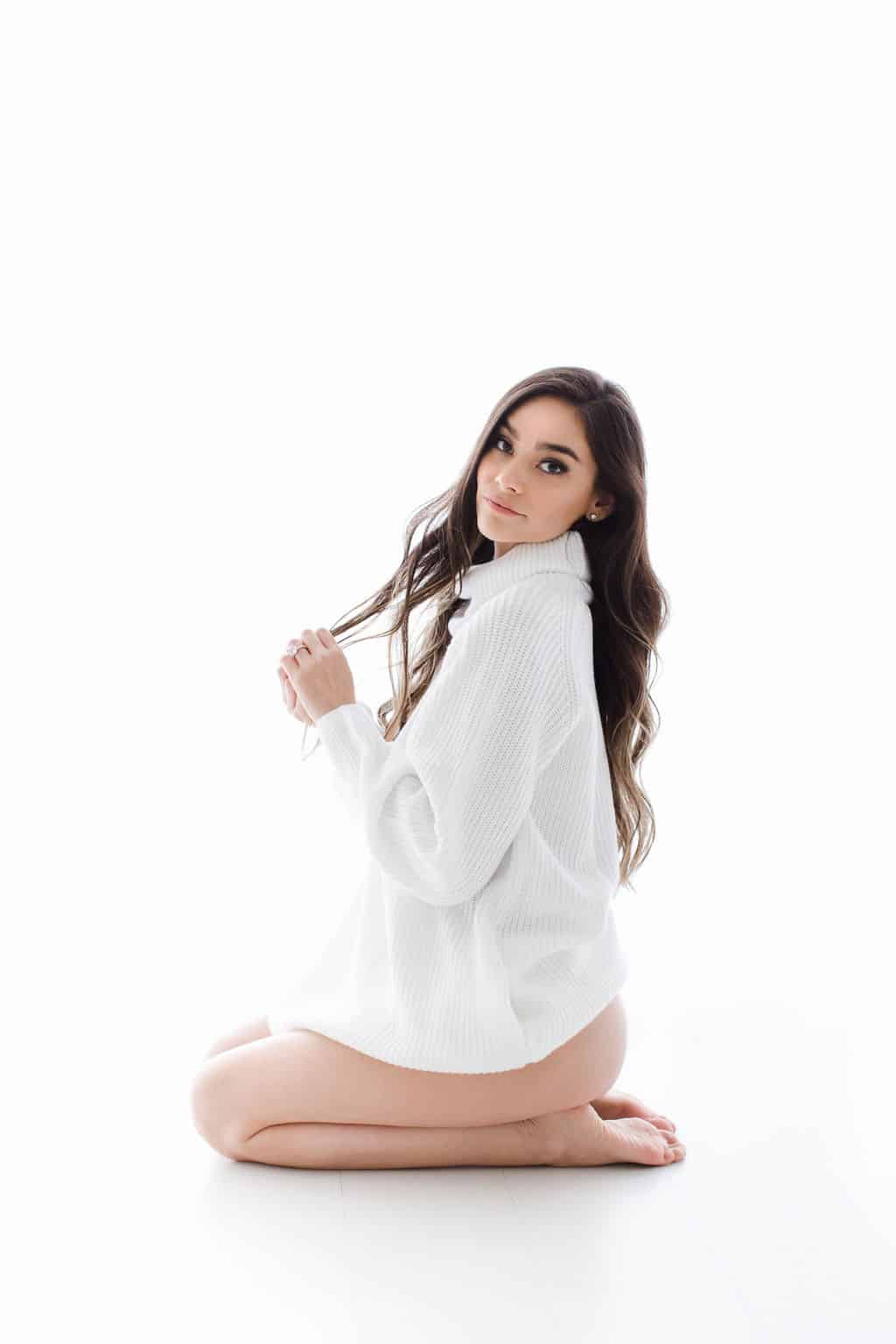
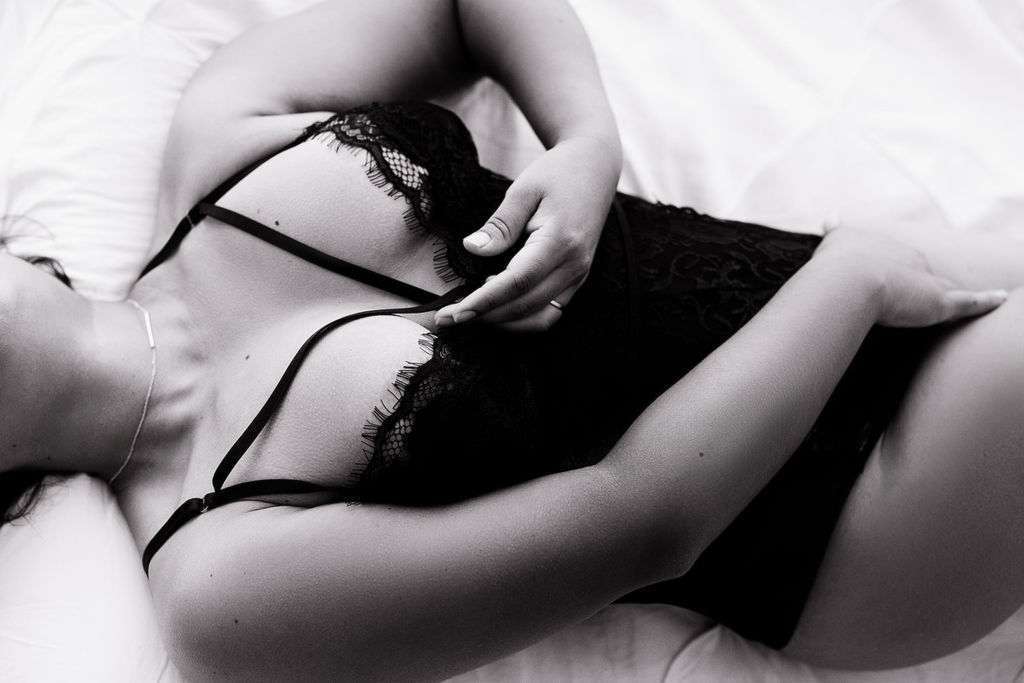
What works beautifully: silk or lace robes (I have a full client wardrobe available at no extra cost), bodysuits with clean lines, oversized shirts worn simply, soft neutral knits, and jewelery worn sparingly.
What to avoid: anything with tight elastics or waistbands worn within a couple of hours of the session (they leave marks), anything uncomfortable, and complicated lingerie sets that need constant adjusting between shots.
If you’re unsure what to bring, I’ll advise you before your session. Styling guidance is part of the experience.
How I Help Clients Feel Comfortable
The most common thing I hear before a session is some version of: “I’m not really the kind of person who does this.”
And then, almost universally, those same clients leave saying it was one of the best experiences of their lives.
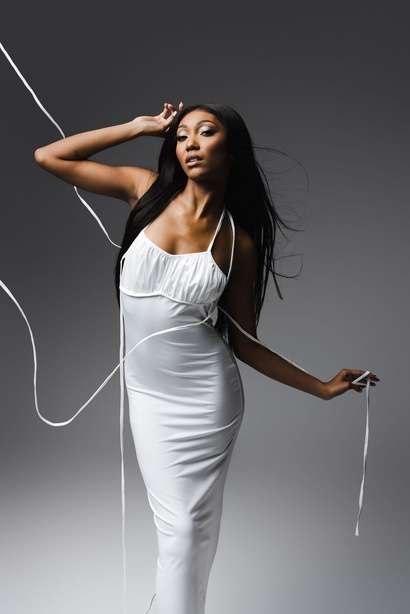
The environment I’ve created at Acapello Photography is specifically designed to feel safe, unhurried, and genuinely encouraging:
- A pre-session consultation to talk through your vision, any concerns, and what you want to take away from the experience
- A private Phoenix studio — it’s just the two of us, with no audience and no pressure
- No modeling experience required — I direct everything. You just show up.
- Constant, genuine encouragement — I tell my clients when I get something beautiful, because I want them to feel the shift in real time
- No judgment, ever — I’ve worked with women of every age, size, shape, and confidence level. My only job is to find the best version of every person in front of my lens.
How to Prepare for Your Boudoir Session
A little preparation makes a big difference. Here’s what I recommend:
- Hydrate in the days beforehand — your skin will thank you
- Sleep well — tiredness shows up in the eyes more than almost anywhere else
- Moisturise the day before (not the morning of, as it can affect how makeup sits)
- Book professional hair and makeup if you can — it changes how you feel walking in, and that confidence is visible in every image (available as an add-on)
- Bring 3–4 outfit options — we’ll choose the best ones together on the day
- Avoid tight clothing for a few hours before your session
- Eat something — don’t come in on an empty stomach
- Relax your expectations — some of your favorite images will come from moments you didn’t plan for

Common Boudoir Photography Mistakes
These come up regularly — and none of them are your fault. They’re just worth knowing in advance:
Staring at the camera constantly. It’s a natural instinct, but it can make images feel intense rather than intimate. Looking away is almost always more compelling.
Standing completely still. Tension in the body translates directly to the image. Even subtle movement transforms a photo.
Wearing uncomfortable lingerie. If you can’t relax in it, it will show. Comfort and confidence will always photograph better than the most elaborate outfit.
Skipping professional hair and makeup. It changes how you feel walking in — and that feeling is written across every single image.
Trying to recreate Pinterest poses. Poses that look effortless on someone else were almost always guided by a photographer who understood that person’s body. Trust the direction on the day.
Booking last minute. My calendar fills quickly, particularly through autumn and winter. Book ahead so you have time to prepare properly.
Wondering how it all works?
Read my guide on Boudoir Photography Techniques in Phoenix
Why Lighting Makes Such a Difference
I touched on this in the techniques section, but it deserves more space — because lighting is the single most powerful variable in boudoir photography.
In a professional studio, I control everything: the direction of light, how soft or hard it falls, how it wraps around the body, how it interacts with the background. That control is the difference between an image that’s pleasant and one that stops you mid-scroll.
Natural window light creates a soft, directional quality that’s beautiful for intimate moments. The challenge is consistency — it shifts throughout the day and can’t be controlled.
Studio lighting gives complete creative freedom. I can replicate the quality of window light, or create something entirely different, and maintain it consistently across a four-hour session.
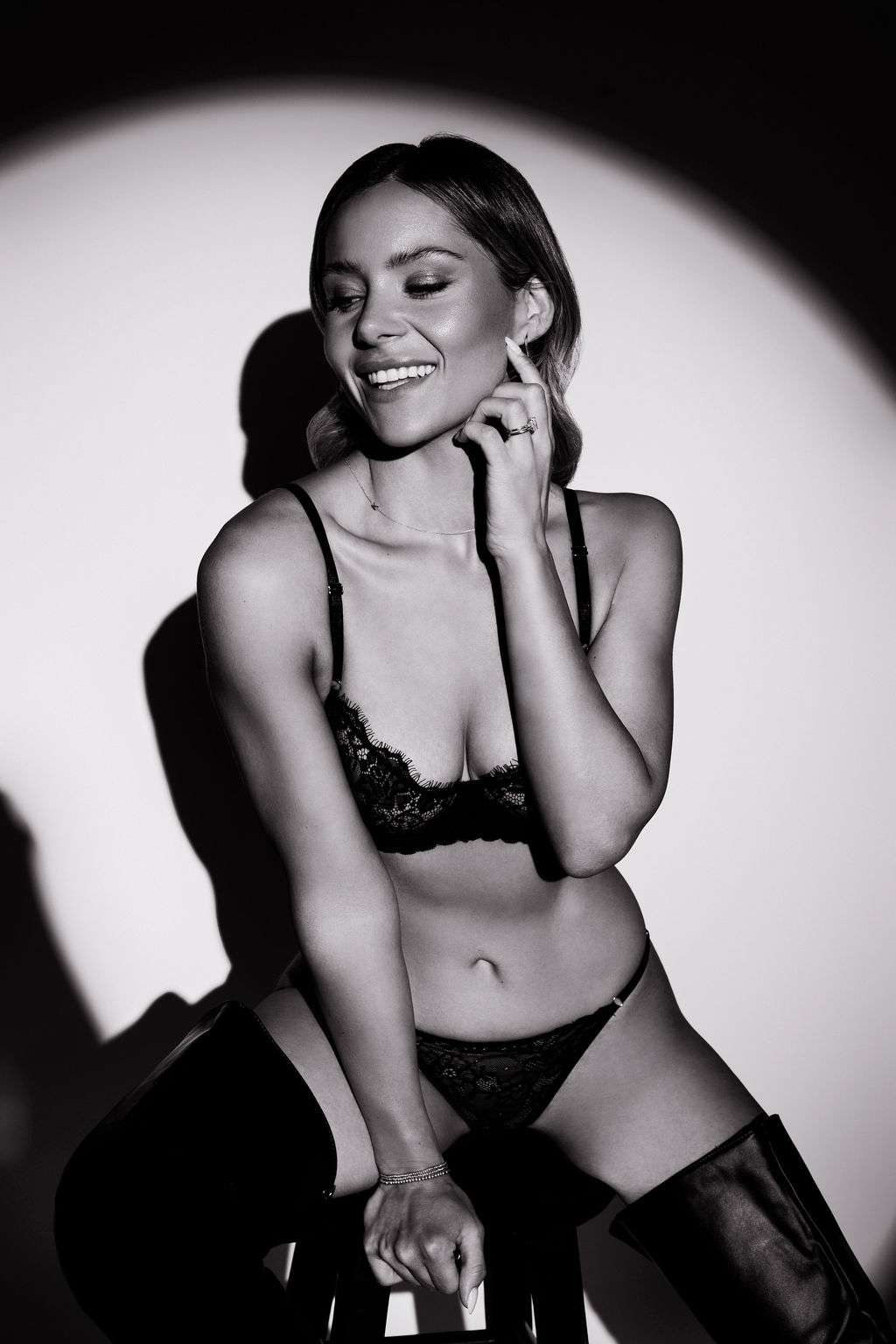
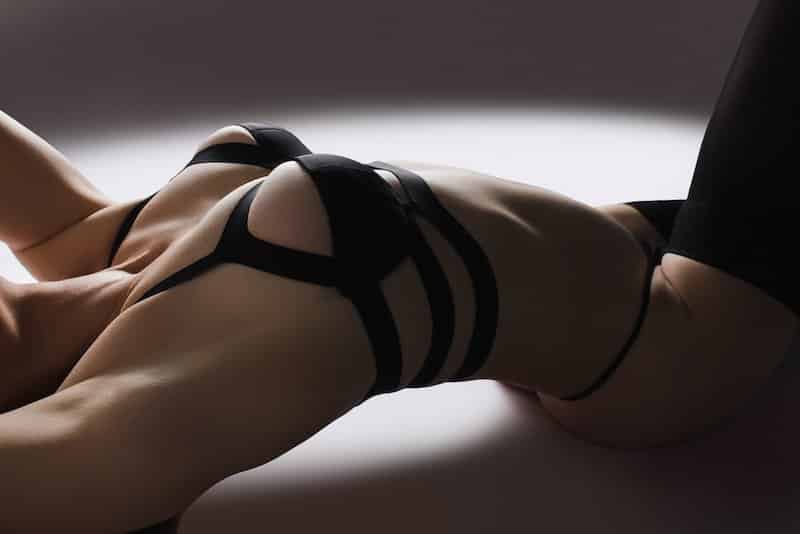
Shadow shaping is often overlooked — but shadow defines the body as much as highlight does. Placed carefully, shadow creates depth, curves, and dimension that flat, even lighting simply can’t.
Backlighting creates a luminous rim around the subject. Against a dark background, it produces images that look almost otherworldly — elegant and artistic in equal measure.
Silhouettes are created by exposing for the bright background and letting the subject go dark. The result is timeless, always flattering, and endlessly versatile.
Within a single session, we’ll typically work through several of these setups — which is one of the reasons a full boudoir session gives you such variety in the final gallery.
Why Every Body Type Photographs Beautifully
One of the things I’m most proud of in over a decade of boudoir work is that my client galleries look genuinely different from each other — because every person is different, and the techniques I use are adapted for each individual.
Curves are celebrated, not minimized. Lighting and posing angles that emphasise shape create powerful, striking images.
Petite frames benefit from elongating angles, lower shooting positions, and styling choices that create strong vertical lines.
Athletic builds look striking with more directional, dramatic lighting that emphasizes definition and muscle.
Mature women — and I photograph clients from their twenties to their sixties — often produce some of the most powerful images I create. There’s something about a woman who has lived in her body and made peace with it that comes through in photographs in a way that’s genuinely difficult to replicate.
Postpartum and maternity boudoir is something I feel particularly strongly about. If you’ve grown and delivered a human being, you deserve to see yourself through a lens that celebrates what your body has done — not one focused on what it looked like before.
I have never once photographed someone and thought there was nothing to work with. Every session, without exception, produces images the client is proud of. Most clients feel nervous at first — and leave feeling completely different.
Frequently Asked Questions
Is boudoir photography worth it?
Yes — and the clients who say so most strongly are almost always the ones who were most nervous beforehand. The experience itself is genuinely transformative, and having professional images of yourself at your most confident is something most women say they wish they’d done sooner.
How long is a boudoir session?
A full session at Acapello Photography is typically 4–5 hours, including professional hair and makeup. This gives us time to work through multiple looks and lighting setups without ever feeling rushed.
Do I need to know how to pose?
Not at all. I direct every movement, angle, and expression throughout the session. Your only job is to show up.
Is boudoir photography awkward?
Briefly — for the first few minutes. Most clients tell me they forgot they were being photographed within fifteen minutes of starting. The studio is private, the atmosphere is relaxed, and there is genuinely no judgment.
What should I wear?
Bring 3–4 options in styles you feel good in. I also have a client wardrobe with beautiful robes, bodysuits, and gowns available at no extra cost, along with guidance on what photographs best.
Will my photos stay private?
Absolutely. Your images are never shared without your explicit written consent. What we create in the studio stays between us unless you decide otherwise.
Do you retouch images?
Yes. Every delivered image is professionally retouched — skin smoothing, any marks or blemishes, and any specific requests you have.
How far in advance should I book?
I recommend booking 4–6 weeks ahead, and earlier than that through the cooler months when the diary fills quickly.
What if I’m nervous?
Tell me. I’d rather know so I can adjust the pace and focus on making you comfortable before we start. Nerves are completely normal — and they almost always disappear within the first few minutes.
Can I bring someone with me?
For the hair and makeup portion, yes. For the shoot itself, most clients find they feel more relaxed and natural without an audience — but we can talk through what works best for you.
Why Choose Acapello Photography for Your Boudoir Session in Phoenix
I’ve been photographing women in Phoenix for over a decade. I’m an award-winning photographer and an accredited member of APNPI — but the thing I’m most proud of is the messages I receive after sessions.
“I’ve never felt so beautiful.”
“I almost didn’t book. I’m so glad I did.”
“I cried when I saw the photos. In the best way.”
My Phoenix studio is private, beautifully designed, and built specifically for the kind of intimate, unhurried experience I want every client to have. There are no generic packages, no conveyor-belt timeslots, and no cookie-cutter poses. Every session is built around you.
If you’re considering boudoir photography in Phoenix — whether it’s a gift to yourself, a celebration, or simply a moment of self-love that’s long overdue — I’d love to talk through what that might look like.
Explore Acapello Boudoir Photography →
Ready to See Yourself Differently?
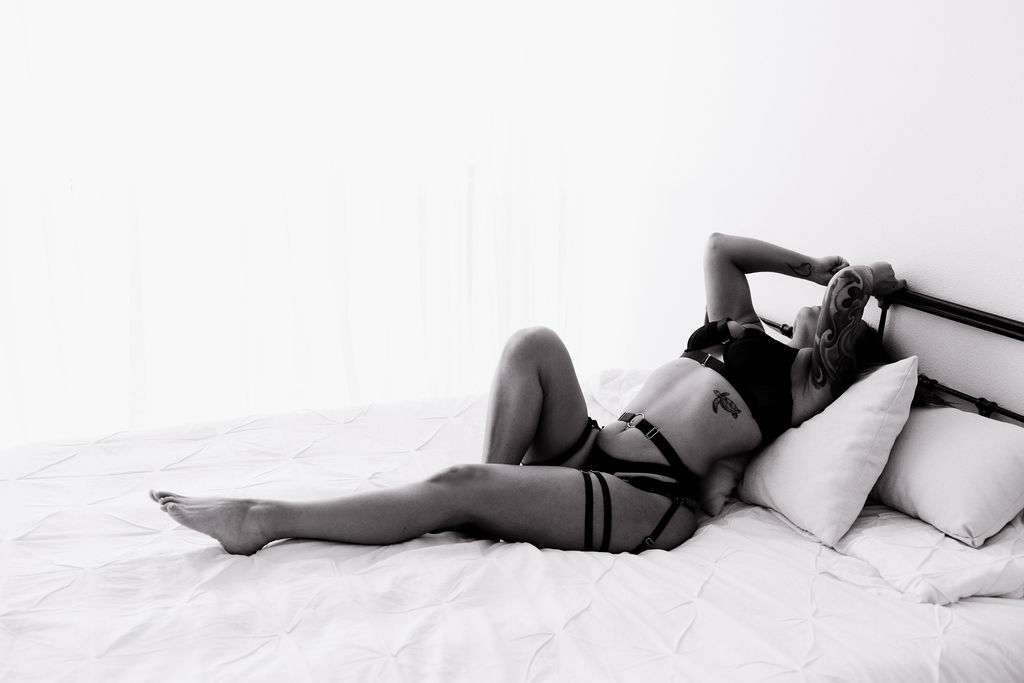
Boudoir photography is not about being a certain size, age, or level of confidence. It’s about having someone in your corner who knows how to find the version of you that you always suspected was there — and capture it.
You don’t need modeling experience. You don’t need to feel ready. You just need to show up, and I’ll take care of everything else.